
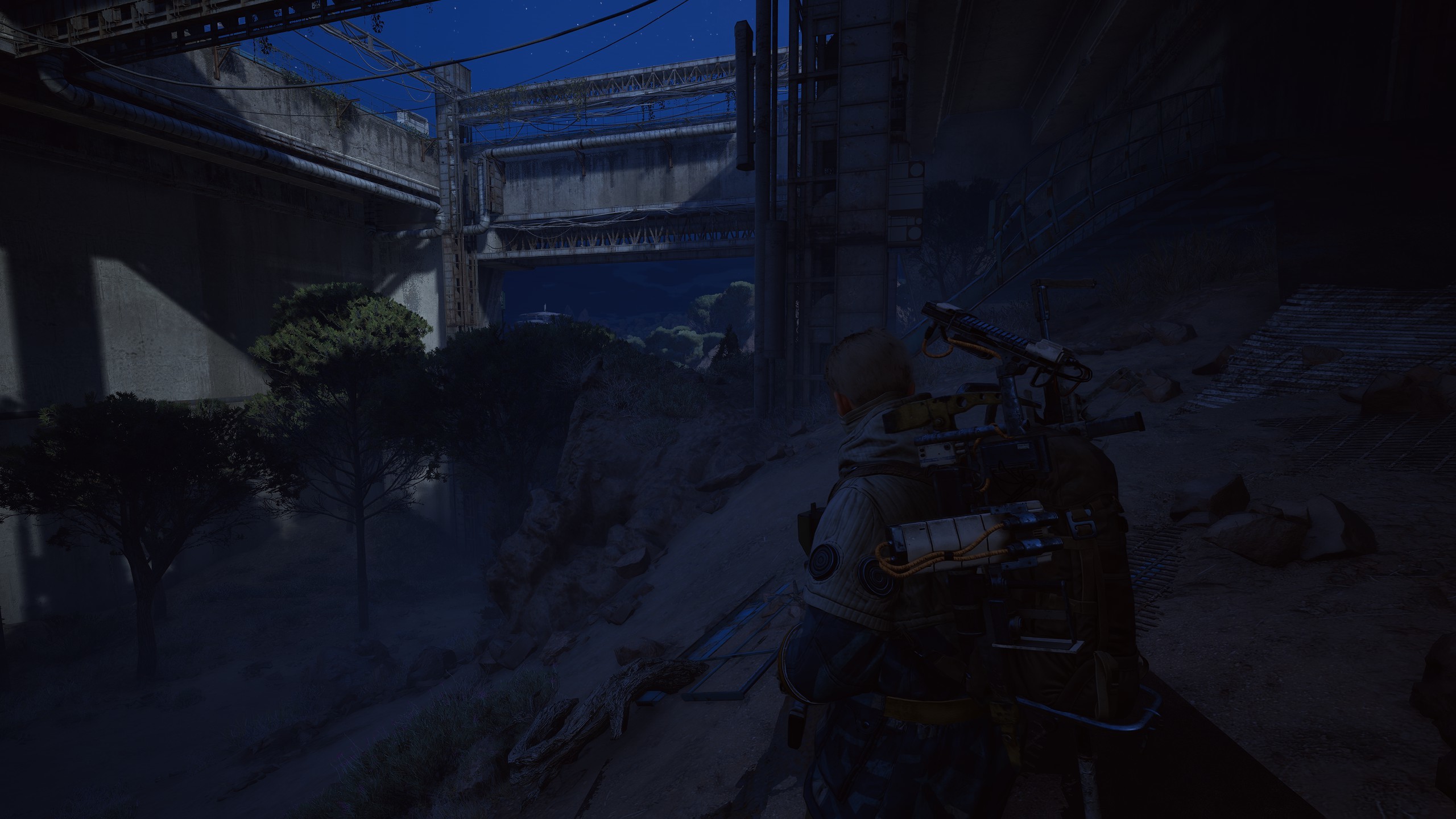
The most devastating ARC attacks often come not from the units immediately visible, but from unseen, specialized artillery assets operating miles away. These assets utilize pre-collapse targeting infrastructure or highly accurate orbital telemetry to deliver punishing kinetic or energy bombardments that can instantly neutralize an entire Raider squad. **Indirect Fire Mitigation (IFM)** is the essential, often overlooked, doctrine for identifying the precursors of these long-range attacks and utilizing situational awareness to survive them.
This analysis dissects the nature of ARC’s long-range threat, emphasizing the need for immediate environmental cover and precise counter-identification protocols.
The Targeting Mechanism: Orbital Telemetry and Predictability
ARC artillery units are typically fixed installations or slow-moving colossal assets, meaning their fire cannot be quickly adjusted. They rely heavily on orbital reconnaissance and established pre-set coordinates. This predictability is their weakness. IFM focuses on two primary detection methods:

- **Acoustic Precursor:** A distinct, high-frequency sonic boom or deep, rhythmic thrumming sound—often audible several seconds before impact—indicates a charge sequence has begun.
- **Visual Flare:** Certain high-energy ordnance (artillery lasers) emit a brilliant, momentary flash of light on the horizon, signaling the initial launch.
The IFM Protocol: Immediate Cover and Directional Assessment
Upon detection of an acoustic precursor, every Raider must follow the IFM protocol immediately, overriding all other tactical concerns (including Ammunition Conservation):
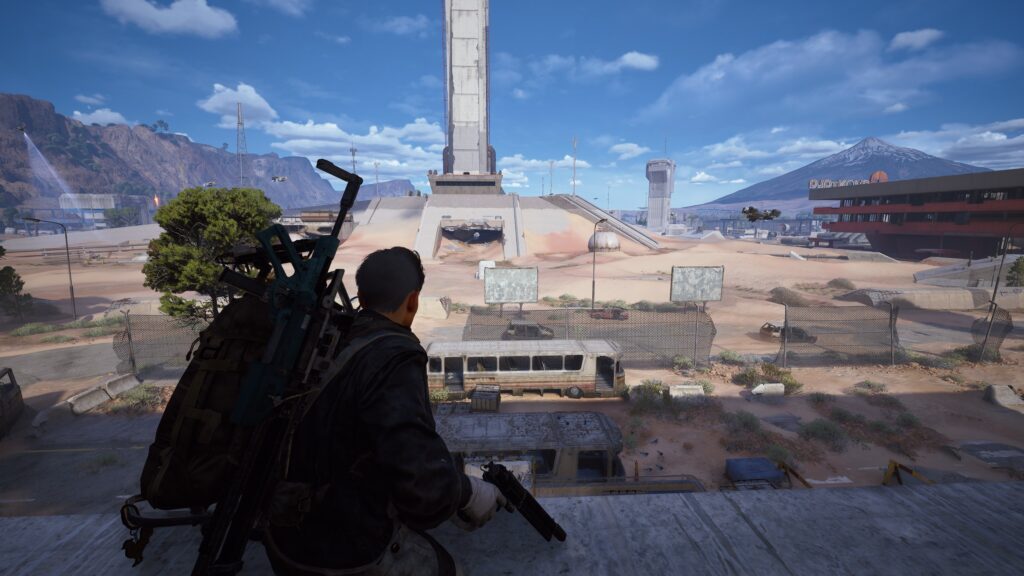
- **Drop Everything:** Discard non-essential actions (reloading, healing) and immediately seek heavy cover.
- **Directional Assessment:** Identify the source of the sound/flash. Cover must be positioned between the Raider and the estimated launch point.
- **Horizontal Evasion:** If no cover is available, the Raider must initiate a rapid, chaotic horizontal sprint, denying the artillery a fixed target solution.
Artillery Damage Vectors and Mitigation (DMT)
ARC artillery typically utilizes two damage vectors, each requiring specific mitigation:
| Artillery Type | Damage Profile | Effective Mitigation |
|---|---|---|
| **Kinetic Railgun Strike** | High kinetic impact; penetrates standard armor and light cover. | Only heavy, thick structural cover (underground, multi-layered concrete) will survive. |
| **Area Saturation Bombardment** | Lower impact, wider explosive radius. | Horizontal separation from teammates; utilizes Shield Wall to protect a specific hemisphere. |
The Supply Beacon as an Artillery Magnet
A crucial risk factor is the Supply Beacon. Due to its significant energy signature, an active Beacon often registers as a high-priority, stationary target for distant ARC artillery. Raiders must never linger near an active Beacon and must prepare for an immediate bombardment response once the resupply sequence is initiated (FOA Protocol).
The Role of the DM in Counter-Artillery
The Designated Marksman (DM) plays a secondary role in IFM: counter-identification.
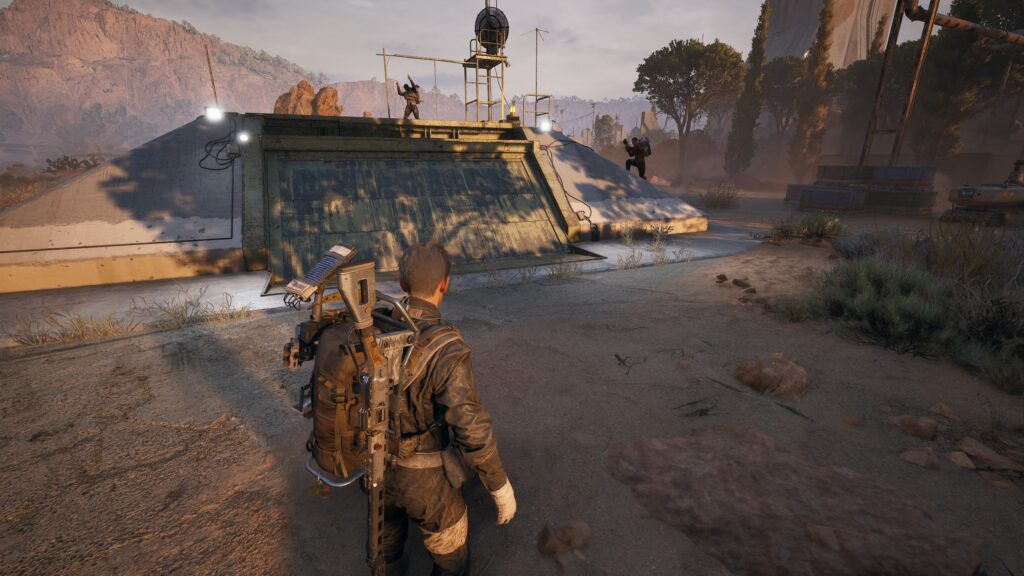
The DM, with specialized long-range optics (BAS), must attempt to visually confirm the source of the artillery fire (e.g., a distant, non-mobile Golem) to provide the rest of the team with accurate directional data for future evasion.
Conclusion: The Horizon of Threat
ARC’s artillery capabilities prove that the entire map, up to the horizon, is a potential kill-zone. IFM ensures that Raiders are trained to read the subtle acoustic and visual cues that precede these attacks.
By prioritizing immediate cover and understanding the predictable nature of the bombardment, the Resistance mitigates the most devastating, unseen threat posed by the ARC Collective.