
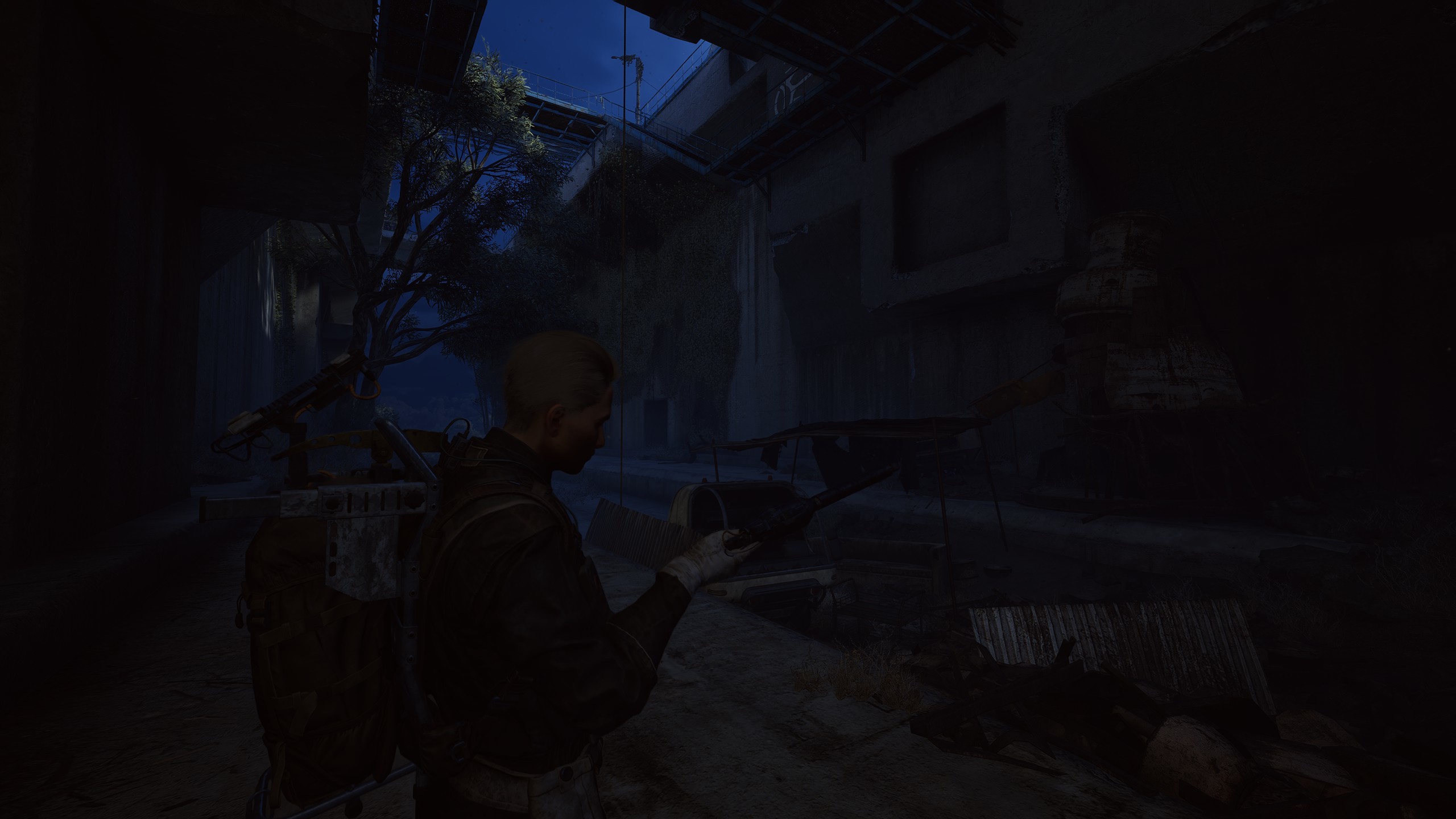
In traditional military systems, the Head-Up Display (HUD) is saturated with telemetry, data, and markers. The Raider’s interface, however, adheres to a strict doctrine of **Interface Austerity (IA)**, prioritizing minimalism and reliance on organic sensory input. This design choice is critical: it structurally prevents the Raider from becoming overly reliant on digital readouts and forces the cultivation of core survival skills—namely, the immediate, accurate interpretation of environmental geometry, acoustic signatures, and the visual language of ARC units (MIA). IA transforms the Raider from a passive data reader into an active environmental observer.
This analysis details how the minimalist HUD design reinforces critical doctrinal training, ensuring that the Raider’s Situational Awareness (SA) is rooted in human sensory interpretation, not external digital aid.
IA and the Reinforcement of Machine Intent Analysis (MIA)
Because the HUD provides limited visual direction markers for incoming fire, the Raider must rely entirely on acoustic cues and the visual language of ARC units (MIA).
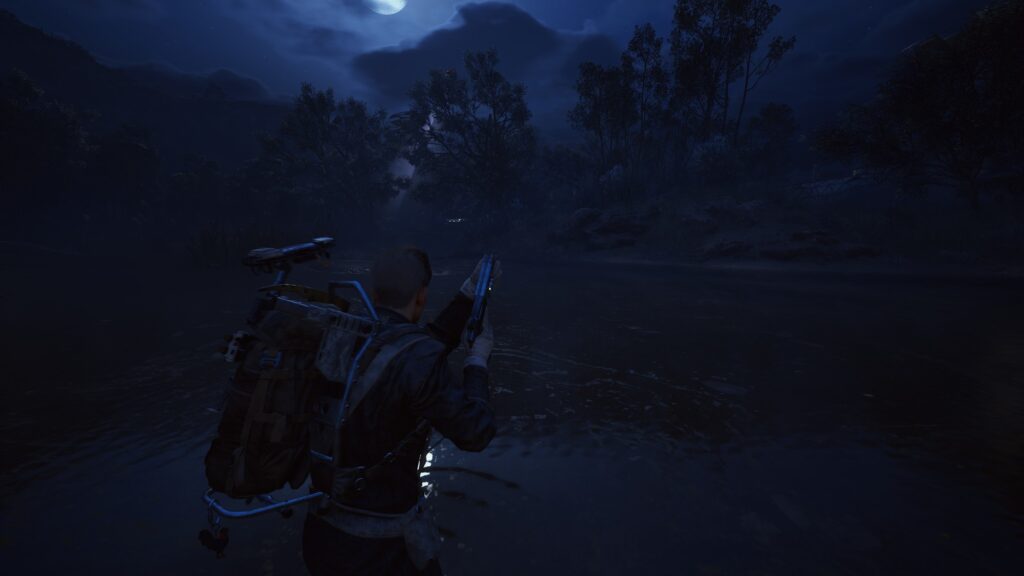
The subtle shift from a blue to a red light, the sudden high-pitched whine of a charging weapon, or the distinct metallic sound of an approaching Warden’s gait—these audio/visual signals are the primary warning system. IA ensures the Raider’s attention is constantly fixed on the ARC unit itself, maximizing the effectiveness of their predictive capabilities.
Environmental Acoustics and Threat Localization
The highly detailed sound environment of X-Isle is utilized as a tactical asset. IA compels the Raider to master environmental acoustics for threat localization.
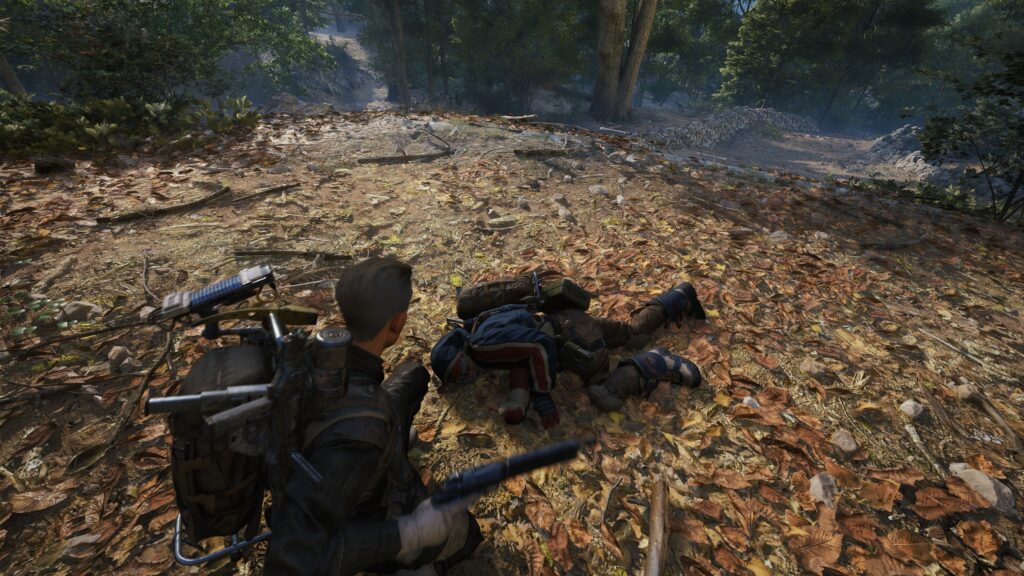
The sound of a patrol walking over steel plating versus soft sand, the distant sound of an explosive deployment, or the specific whir of an aerial drone—these sounds, when processed quickly, provide accurate, 360-degree threat positioning that compensates for the lack of a comprehensive digital radar system. IA turns the Raider’s hearing into their most effective form of radar.
Visual Cues and Traversal Integrity (VHS/EHM)
The minimalist HUD lacks complex digital readouts for structural integrity or environmental hazards. Raiders must visually assess their traversal route (VHS), relying on visual cues like crack lines in concrete, pooling toxic sludge (EHM), or sparks from live wires. IA forces the Raider to trust visual judgment over a digital warning, reinforcing caution and reducing the risk of accidental incapacitation from non-ARC hazards.
The HUD and Cooperative Protocol (CP)
IA enhances CP by forcing verbal communication. Because the HUD only provides basic status icons for teammates, precise tactical information—such as enemy proximity, specific threats, or the deployment of gadgets—must be relayed verbally.
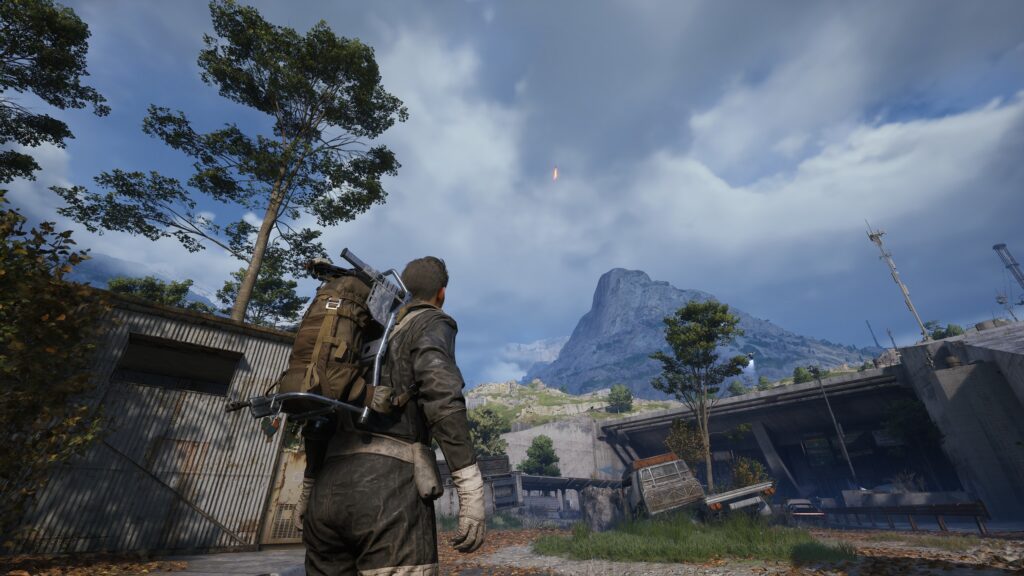
This reliance on voice communication fosters better team synergy and discipline, reinforcing the human connection essential for Genuine Team Interdependence (GTI).
The Focused Ammunition Display
The HUD displays only the current magazine capacity, omitting the total reserve count. This design choice strictly enforces Ammunition Conservation (LPO). By hiding the reserve, IA encourages the Raider to treat every magazine as the last, prioritizing precision (TCA) and discouraging high-volume suppression fire, directly addressing the resource scarcity doctrine.
| HUD Element Omitted | Sensory Skill Reinforced | Tactical Doctrine Impact |
|---|---|---|
| **Digital Threat Radar** | Acoustic localization and directional hearing. | Predictive awareness of flanking maneuvers (ABA). |
| **Total Ammo Reserve** | Visual cue discipline (empty magazine warning). | Enforcement of the Three-Shot Rule (LPO). |
Conclusion: Trusting Human Senses
Interface Austerity is a deliberate, strategic challenge. By minimizing digital dependence, the Raider’s HUD design forces players to cultivate their human sensory skills—hearing, sight, and spatial awareness—as the primary tools for Situational Awareness.
This ensures that even in a world of advanced technology, the human element remains the most critical source of intelligence.