
Fortified ARC Encampments (FAEs)—often centered on resource extraction silos, data archives, or hardened infrastructure—represent the highest-risk, highest-yield mission profile. They are defended by layered kinetics, multiple static emplacements, and concentrated unit density, making a frontal assault suicidal. **Fortification Breaching Protocol (FBP)** is the systematic, sequential doctrine designed to neutralize FAE defenses through asymmetrical tactics, utilizing infiltration, sabotage, and the calculated application of force to seize high-value Tier III technology.
This guide outlines the critical phases of FBP, emphasizing the importance of specialized gear, synchronized action (GTI), and exploitation of the environment (EW).
Phase 1: External Reconnaissance and Vulnerability Mapping
The first step of FBP is always intelligence gathering, utilizing prolonged surveillance from a concealed distance. Raiders must dedicate time to mapping the FAE’s defenses (ABA) and identifying critical weaknesses:

- **Turret Fields of Fire:** Identify blind spots or overlapping defense zones.
- **Unit Density and Composition:** Note the number of Controllers (Tier I priority) and heavy assets (CVT targets).
- **Structural Weakness:** Identify external power conduits, gas lines, or thin wall sections suitable for explosive breach (EW).
Phase 2: Disruptive Entry and Perimeter Neutralization
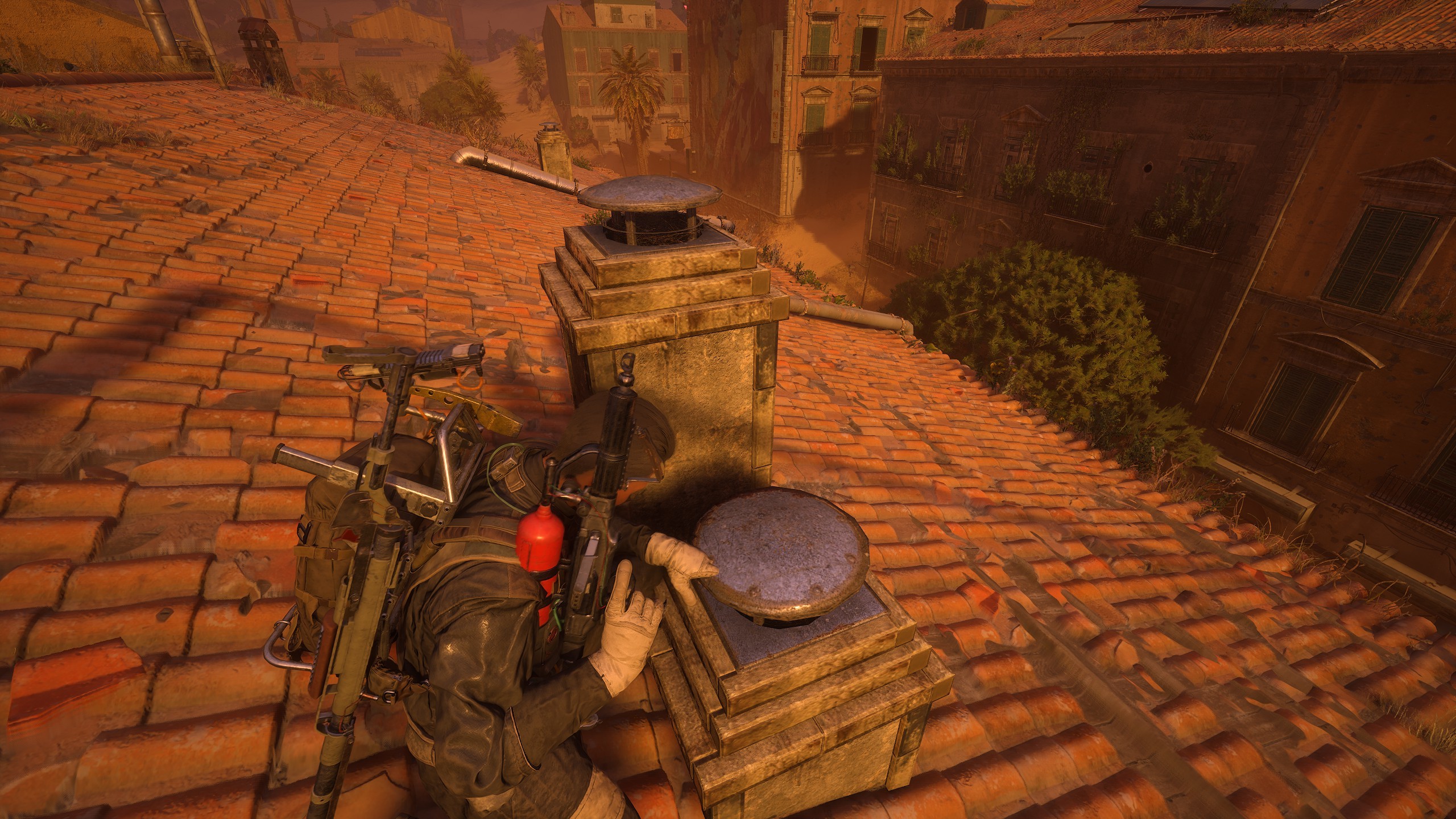
Entry must be subtle. FBP utilizes the Disruptor/Scout to create an entry point away from the main gate, ideally through structural sabotage (EW) or a concealed vertical infiltration (VHS). The primary objective of the initial strike is to neutralize the perimeter defenses and disrupt communications:
| Target Priority | Method of Neutralization | FBP Rationale |
|---|---|---|
| **Communications Array** | DM kinetic overmatch (KOD) or remote EMP charge. | Prevents immediate ARC reinforcement notification. |
| **Static Turrets** | Breacher Fusion Charge on the mounting base (TCA). | Opens a kinetic fire corridor for the assault team. |
Phase 3: Internal Clearance and Aggro Management (TCM)
Once inside, the team faces concentrated internal patrols. FBP requires strict Threat Concentration Management (TCM).

The Tank/Breacher must aggressively draw the attention of the heavy interior units, utilizing the Shield Wall and sustained fire, while the Disruptor and DM rapidly advance to the objective (e.g., the data core or salvage silo).
Phase 4: Data/Resource Acquisition
This is the most time-sensitive phase. FBP dictates that the Designated Salvage Runner must immediately begin processing and securing the high-value Tier III assets while the rest of the team holds the line. If the objective is a data core, the team must hold the perimeter until the decryption process is complete, requiring a sustained defense supported by the Supply Beacon (FOA).
Phase 5: Calculated Disengagement and Retreat
A successful FAE breach ends not with annihilation of all units, but with a calculated disengagement. FBP utilizes Visual Interdiction Strategy (VIS)—deploying smoke and obscurants—to mask the team’s retreat.

The team must then utilize the pre-planned, compromised exit route (Phase 2), ensuring that ARC forces are left fighting their way into an already emptied enclosure.
FBP and Ammunition Conservation
Given the sheer number of enemies, FBP is extremely demanding on resources. Raiders must utilize their heaviest, most potent assets (Fusion Charges, DM armor-piercing rounds) only against static emplacements and high-value internal targets, adhering strictly to the highest principles of Ammunition Conservation (LPO).
Conclusion: The Efficiency of the Assault
Fortified ARC Encampments are designed to be impenetrable, but FBP proves that no defense is absolute.
By combining synchronized disruption, environmental exploitation, and precise application of force, Raiders can systematically dismantle the strongest ARC defenses and secure the technological assets necessary for the Resistance’s continued war effort.